
Concrete Patio Contractor in Sacramento, CA

Why Homeowners in Sacramento Call Us
- We Know Sacramento's Soil: Clay soil behaves differently than sandy or loamy soil. We build every patio with that in mind.
- We are licensed and insured. We hold a valid California Contractors State License Board (CSLB) license and carry full liability and workers' compensation insurance.
- We give you a written estimate. Every quote is itemized. You see exactly what you are paying for before any work starts.
- We handle the permits. If your project needs a permit, we take care of the application and paperwork.
- We use good materials. We use commercial-grade concrete mixes, proper rebar, and quality sealers on every job, not the cheapest option available.
- We clean up when we leave. Your yard goes back to a clean state at the end of every workday.
Patio Surfaces and Finish Choices
Stamped Concrete Patio
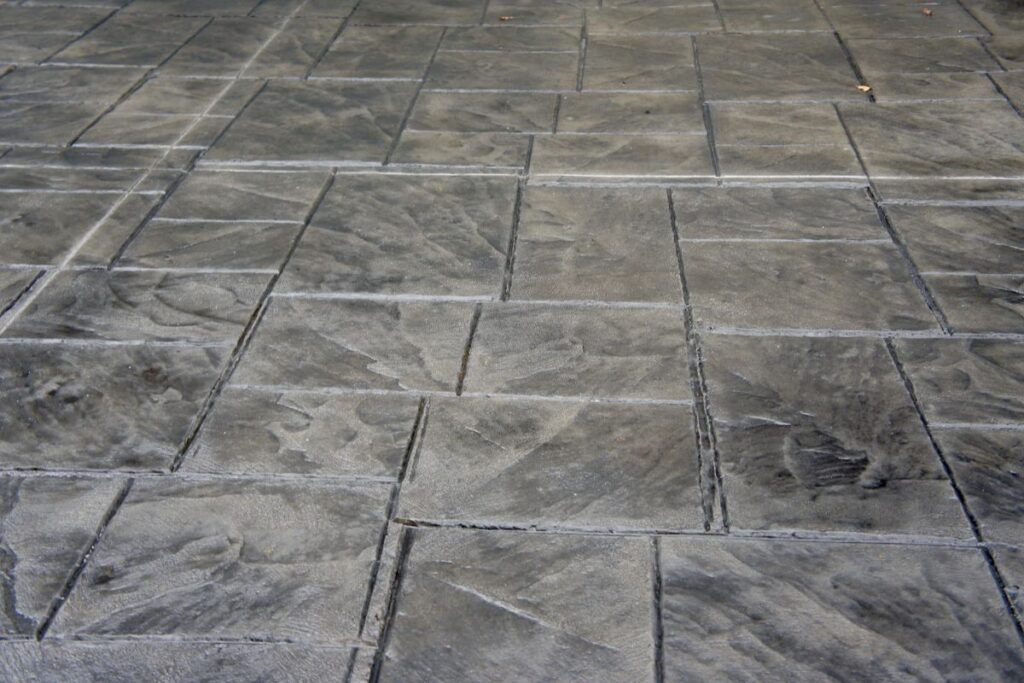
Stamped concrete looks like stone, brick, or wood but it costs far less. We press a pattern into the wet concrete before it dries. Also, we add color so the finished surface matches your home. This is the most popular option we install in Sacramento.
Broom Finish Concrete Patio
A broom finish is simple and practical. Right after the concrete is poured, we drag a broom across it to create small ridges. This means the surface grips your feet when it's wet. It works great for families with kids or older adults who need a safer surface.
Exposed Aggregate Patio
This finish shows the stones and gravel inside the concrete. We wash away the top layer of cement paste before it fully sets. Next, the natural rocks are left showing on the surface. You get a rough, natural look that holds up well in yards with heavy foot traffic.
Colored Concrete Patio
Color can be mixed directly into the concrete before we pour it. Also, we can apply a stain or dye after the slab cures. This means you can match the patio to your home's color or choose something that stands out. Colors stay deeper and last longer when the patio is sealed properly.
Salt Finish Patio
A salt finish has a light, pitted texture. We press coarse salt into the wet concrete, then wash it away once the concrete firms up. The small holes left behind give the surface a clean, modern look. This works best for covered patios or outdoor bar areas that stay dry.
Flagstone-Look Concrete Patio
You get the look of real flagstone without the maintenance. We stamp an irregular stone pattern into the concrete before it sets. Also, we add color to make each "stone" section look natural. This is a smart choice for older Sacramento neighborhoods where real stone would look right at home.
Concrete Patio Repair and Restoration
Crack Repair
Cracks in Sacramento patios are usually caused by clay soil swelling in winter and shrinking in summer. Not all cracks are serious. Some are just surface lines. Others go all the way through. We look at the width, depth, and pattern of the crack before we decide how to fix it.
Patio Resurfacing and Overlay
A worn or faded patio surface can be refreshed without breaking out the slab. We apply a new thin layer of material over the top and add texture or color. Also, the surface can be stamped or stained after the overlay goes down. This is a popular option for Sacramento landlords and investors who need to improve curb appeal quickly.
Slab Lifting and Mudjacking
When a section of patio sinks lower than the rest, it creates a trip hazard. Mudjacking fixes this by pumping a slurry mix under the slab to push it back up. Next, the surface is sealed so water does not wash the fill material away again. This costs far less than tearing out and replacing the sunken section.
Expansion Joint Repair
Control joints are the grooves cut into a patio that guide cracking. Over time, the material that fills those joints breaks down. When that happens, cracks spread in unplanned directions. We re-cut the joints, clean them out, and fill them with new flexible joint sealant. This is especially important for older patios in Rancho Cordova and Carmichael.
Spalling and Surface Scaling Repair
When the top layer of concrete flakes or pits, it is called spalling. This is often caused by de-icing salts or a hard freeze. Also, Sacramento patios that were never sealed tend to spall faster than sealed ones. We repair these surfaces with a bonding overlay that restores a smooth, solid finish.
Uneven Slab Leveling
A slab that sits at two different heights is a safety problem. We use grinding to fix small height differences between slab sections. For larger drops, we use mudjacking to lift the low section back to grade. Either way, the result is a flat, safe walking surface.
How It Works From First Call to Finished Patio

Call or Message Us
You reach out by phone, text, or contact form. You do not need a plan ready. Just tell us what you think about a new patio, a repair, or a question about cost. We will take it from there.
We Come to Your Property
We schedule a site visit at a time that works for you. We show up on time. Also, we bring the right eyes to look at the ground, the slope, the drainage, and the space around the project area. This visit is free and takes about 30 to 45 minutes.

We Send You a Written Estimate
After the visit, we put together a written, itemized estimate. You see the cost of materials, labor, and any site prep work listed out clearly. Next, we send it to you within one to two business days. If anything on the estimate is unclear, we answer your questions before you decide.
We Pull Any Required Permits
If your project needs a permit covered patios, outdoor kitchens with gas lines, or raised structures are common examples we handle the application. Also, we coordinate the inspection schedule so you do not have to track it yourself.
We Prepare the Ground
Before any concrete goes down, we dig out the area, compact the soil, and lay a gravel base. This step takes longer than the pour itself. Also, it is the step that most determines how long your patio lasts. We do not rush it.
We Pour and Finish the Concrete
On pour day, we set the forms, place the reinforcing steel, and bring in the concrete. Next, we spread, screed, and finish the surface to the style you chose: stamped, broom-finish, exposed aggregate, or another option. We cut control joints in the right places before the slab fully sets.

Cure Time and Final Walkthrough
Fresh concrete needs time to reach full strength. We give you a clear timeline usually 24 to 48 hours before light foot traffic, and 28 days before sealing. Next, once the slab is ready, we do a final walkthrough with you to make sure everything looks right. Also, we leave you with a care sheet so you know how to maintain the surface going forward.

We Seal the Surface
After the 28-day cure period, we come back to apply the right sealer for your finish type. This protects your patio from Sacramento's UV exposure, winter moisture, and everyday staining. Also, we let you know when to schedule your first re-seal, usually two to three years out.